
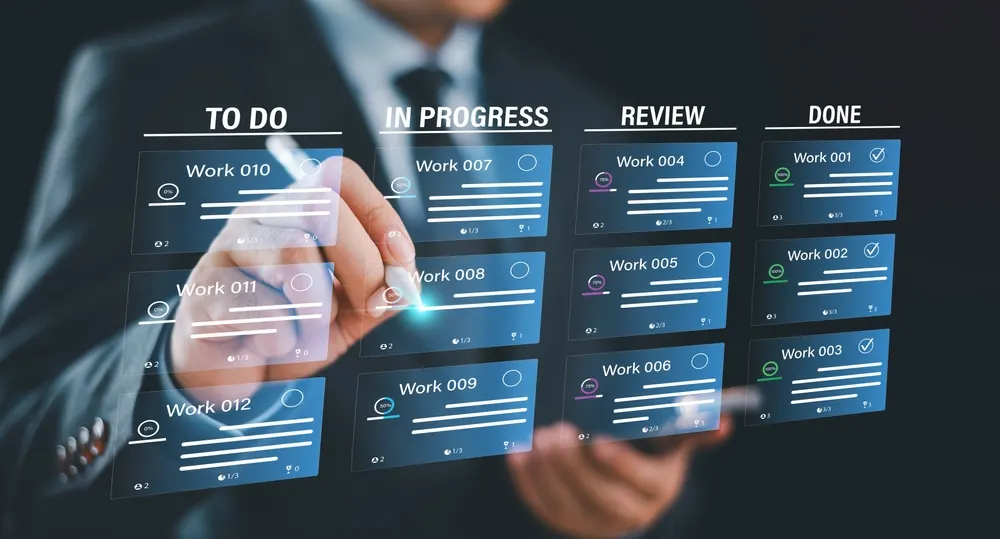
The way creative teams work is evolving fast — and the design review process is at the center of this transformation. With remote collaboration becoming the norm, cross-functional teams expanding, and AI entering every stage of the design cycle, traditional workflows are no longer enough.
By 2026, design reviews won’t just be about giving feedback; they’ll be about real-time co-creation, intelligent insights, and frictionless decision-making. In this blog, we’ll break down how design reviews will change, the tools that will shape this shift, and what design, product, and marketing teams can expect in the next era of collaboration.
Why the Design Review Process Needs to Evolve
The classic review cycle, share file, wait for feedback, revise, repeat – is becoming inefficient for modern teams. Here’s why:
- Distributed teams work across countries and time zones.
- Design complexity is increasing with multi-device interfaces, animations, and micro-interactions.
- More stakeholders mean more reviews, comments, and approvals.
- Speed-to-market matters more than ever.
This shift demands a smarter, faster, and more structured design review process, one that moves beyond static timelines and scattered feedback.
The Big Shifts Coming to Design Reviews in 2026
1. Real-Time, Multi-Layered Collaboration Will Become Standard
By 2026, design reviews will look more like live workshops than static comment threads. Teams will collaborate in real time, adjusting wireframes, prototypes, and website screens together, even if they’re on different continents.
What this means:
- Live annotations on active interfaces
- Instant design adjustments without waiting for next-day feedback
- Shared review dashboards accessible across teams
Visual collaboration tools, similar to how BugSmash streamlines contextual feedback today, will become fully interactive and session-based.
2. AI Will Assist Every Stage of the Review Process
AI won’t replace designers, but it will drastically reduce manual effort in the review cycle.
Expect AI to:
- Highlight inconsistent spacing, colors, or alignment
- Suggest design alternatives based on UX patterns
- Flag accessibility issues automatically
- Generate user journey predictions
- Prioritize feedback based on impact
The design review process will feel less like manual checking and more like guided optimization.
3. Feedback Will Become Data-Driven, Not Opinion-Driven
Currently, design feedback often depends on individual preferences. But in 2026, teams will rely increasingly on user behavior data during reviews.
This shift will include:
- Heatmap insights added directly to design files
- User session replays embedded in review dashboards
- Data-powered suggestions on where users struggle
- Predictive analytics that recommend UX improvements
Instead of guessing “what users might do,” design reviews will be backed by real behavioral evidence.
4. Cross-Functional Reviews Will Merge Into a Unified System
Design, product, engineering, and marketing teams work across multiple tools today, causing delays and miscommunication. In 2026, these fragmented systems will merge.
A unified review layer will:
- Sync design updates to dev tools in real time
- Track comments from all departments in one thread
- Offer shared version control for designers and developers
- Provide unified approval paths for stakeholders
Tools with flexible, multi-format feedback, similar to how BugSmash enables cross-team collaboration, will be the backbone of these unified systems.
5. Clients Will Participate Seamlessly Without Technical Barriers
Clients often struggle with design tools, leading to unclear feedback. In 2026, this pain point will finally fade.
Expect:
- One-click review links
- No-login feedback access
- Guided comment modes for non-technical stakeholders
- Automatic translation for multilingual clients
The design review process will feel simple and intuitive, even for people unfamiliar with design tools.
6. Version Control Will Become Smart and Automated
Manually comparing versions or tracking what changed will become obsolete.
Future-ready review systems will:
- Automatically detect changes between versions
- Generate side-by-side comparisons
- Highlight improvements and regressions
- Suggest optimal versions based on stakeholder feedback
This makes reviewing faster and decision-making clearer.
7. Video, Motion, and Interactive Content Will Get Equal Priority
By 2026, static design reviews won’t be enough. Brands increasingly use interactive experiences, animations, and video-led storytelling.
Design review platforms will support:
- Frame-accurate feedback on videos
- Interactive prototype reviews
- Motion timing annotations
- Multi-device previews for responsive content
Tools that handle web, mobile, video, and creative files in one place, much like BugSmash does today, will become industry standard.
How Teams Can Prepare for Future Design Reviews
1. Shift From Document-Based Feedback to Visual Feedback
Rely less on long chats or emails. Move toward contextual comments directly on the design or website.
2. Build a Single Source of Truth
Create shared repositories for design systems, brand guidelines, and review histories.
3. Invest in Cross-Functional Collaboration Tools
Tools that unify designers, developers, PMs, and marketers will reduce back-and-forth delays.
4. Adopt AI Support Early
Using AI-based QA, color consistency tools, or layout checkers today will make future transitions easier.
5. Standardize Your Design Review Process
Define rules for:
- When reviews happen
- Who approves what
- How feedback is structured
This keeps workflows clean as teams scale.
FAQs About the Future of the Design Review Process
1. Will AI replace designers in 2026?
No, AI will enhance designers’ workflows, but creativity and strategy remain human-led.
2. How will the design review process become faster?
Through automation, real-time collaboration, unified review platforms, and structured feedback.
3. Will design tools merge into all-in-one systems?
Yes. Expect design, prototyping, feedback, and approvals to integrate into unified ecosystems.
4. How can teams reduce feedback chaos?
Using visual review tools, similar to BugSmash, ensures everyone leaves contextual, traceable insights.
5. Will clients find it easier to participate?
Absolutely. One-click review links and intuitive interfaces will replace complex tools.
Conclusion
By 2026, the design review process will be smarter, faster, and more connected. Teams will collaborate in real time, use AI to enhance design quality, and rely on unified systems that merge design, development, and marketing into a single workflow.
Instead of endless revisions, scattered comments, and slow approvals, reviews will become fluid and intelligent, helping teams deliver better designs in less time.
Creative collaboration isn’t just evolving, it’s being reinvented. And the teams that adopt these future-focused practices early will lead the way.



Leave a Reply